


The number of children in unregistered homes and the average cost of such placements have both fallen over the past year, the Children's Commissioner for England has found.
However, Rachel de Souza warned that too many children in care - many with high and complex needs - remained in "deeply inappropriate settings" that lacked oversight because they were not registered with Ofsted.
It is illegal to provide care and accommodation to a child without registering as a children's home, and any provider that does not register is committing an offence, which generally triggers a warning letter from the regulator.
De Souza's report was a follow-up to one published just over a year ago, when she found that 764 children were placed in unregistered placements as of 1 September 2024, based on data from 151 of the 153 English local authorities.
In 2024, such placements cost an average of £11,100 per week, from which the commissioner's office estimated an annual cost to councils of £440m.
Falling number and cost of unregistered placements
Twelve months on, all three figures had fallen:
- 669 children were in unregistered placements as of 1 September 2025, a year-on-year fall of 12.4%.
- The average weekly cost was £10,500, a drop of £5.4%.
- The estimated annual cost was £353m, a fall of 19.8%.
While a similar number of councils were placing children in unregistered homes in 2025 (128) compared with 2024 (129), the mean average number they placed had fallen from 6 to 5.2.
The fall in the number of placements reflects Ofsted figures showing a decrease in the number of unregistered homes it identified in the year to 31 March 2025 (680), compared with 2023-24 (931).
Partial reversal of sharp increase in use of illegal homes
However, the trend represents only a partial reversal of the sharp rise in councils' use of unregistered placements in recent years, with Ofsted reporting a sevenfold rise in the number of children placed from 2020-21 (147) to 2023-24 (982).
The rise was driven by a lack of alternatives for children with high and complex needs who make up a large proportion of those placed in unregistered placements, as illustrated by the commissioner's latest figures. These showed that:
- Three in five (59%) had an education, health and care plan (EHCP) for their special educational needs, compared with 29% of looked-after children in state-funded schools as of 2023-24.
- Over a third (36%) were receiving support from child and adolescent mental health services (CAMHS).
- 30% had had at least one missing episode from their placement, compared with 11% of looked-after children generally who had a missing episode in 2024-25.
While de Souza acknowledged the fall in the number of children in unregistered settings, she said her data highlighted "deep concerns at the continued prevalence of these placements", which she described as "deeply inappropriate", as well as illegal.
Unregistered placements more likely to be out of area
The commissioner's office found that children in unregistered care were more likely to have been placed outside of their local authority (61%) compared with looked-after children generally (44%).
The mean average duration of placements was 184 days - a similar figure to 2024 - with 13% of children having been in their unregistered setting for at least a year.
There had also been a rise in the number placed in holiday camps and activity centres (3.3%), compared with the previous year (2%), meaning they were in settings with "minimal facilities", said de Souza.
Children on deprivation of liberty orders
Similarly to 2024, a third of children in unregistered placements (32%) were on a High Court deprivation of liberty (DoL) orders, enabling them to be subject to significant restrictions.
Councils' use of such orders rose sharply from 2018-23 - and has remained high since - due to shortages of suitable placements, including in secure children's homes, for a growing population of children at high risk of harm.
The commissioner's office found children on DoL orders were more likely than others in unregistered settings to have an EHCP (70% vs 55%), to be placed out of area (76% vs 55%), to be receiving support from CAMHS (55% vs 27%) and to be female (51% vs 39%).
Also, their average weekly placement costs (£14,000) were higher than those for other children in unregistered settings (£8,810).
Children's Wellbeing and Schools Bill reforms
The report comes with the government planning significant reforms to the care system, including in relation to the use of unregistered placements and deprivation of liberty, through its Children's Wellbeing and Schools Bill.
These include empowering Ofsted to fine providers for breaches of the Care Standards Act 2000, including operating unregistered homes, in order to provide a quicker alternative to prosecution.
The bill would also enable the courts to authorise a child's deprivation of liberty in a new type of registered placement that was distinct from secure children's homes.
De Souza questions potential of government plans
In a foreword to her report, de Souza said the bill, which will shortly complete its passage through Parliament, offered "opportunities for change".
However, she added: "These provisions are not yet in force – and there remains a need for clarity over how swiftly they will bring about change, as well as a question over whether a fine will act as sufficient deterrent to force multi-million-pound private companies to change their business practices."
She also warned that children would continue to be placed in "settings that lack proper oversight and fail to meet their needs" without investment in alternatives.
Use of unregistered placements 'must be stopped'
Giving Ofsted's response to the commissioner's report, national director of social care Yvette Stanley urged an end to the use of unregistered placements.
“The findings in this report chime with many of the concerns we have been raising about unregistered children’s homes," she said.
"We know from that local authorities continue to face challenges in finding regulated placements to meet children’s needs, but it is heartbreaking that so many children - usually those with the most complex needs - are being placed in illegal settings where they’re at risk of harm. The use of these placements must be stopped.
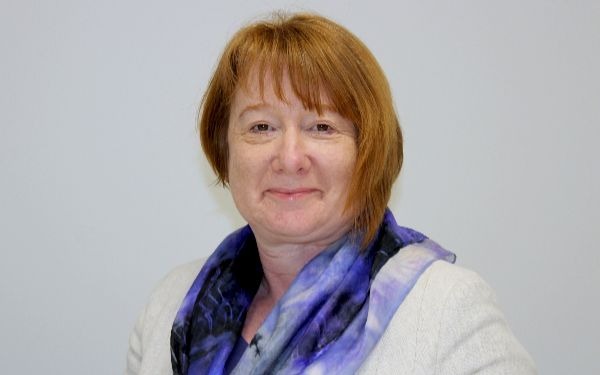
Stanley added: “At Ofsted, we are working hard to investigate unregistered providers and compel them to either register or close. The test for prosecution is high, and gathering enough evidence to ensure a conviction can be a lengthy and expensive process.
"But we are hopeful that measures in the Children’s Wellbeing and Schools Bill will allow us to act more quickly and help make sure all children are placed in safe, regulated homes that provide the care they need.”
Directors 'need national placements strategy'
The Association of Directors of Children's Services (ADCS) said councils and central government were "investing heavily" in "safe, stable homes that meet [children's] needs and keep them close to their communities", though it took time for these to translate this into registered, available places.
ADCS president Rachael Wardell added: “ADCS has long called for greater investment in not-for-profit, locally led provision. Local authorities always want to secure the right homes for children, but they are operating in a market that too often puts profit before care; a suite of new measures in the Children’s Wellbeing and Schools Bill should help to rebalance the market in children’s interests.
“Directors of children's services urgently need a national placements strategy that helps local areas meet our sufficiency duties, one that puts children at the centre, ensuring the right homes are available in the right places, led by care and compassion, not commercial interests.”
Commissioner's recommendations
The report called for:
- The Department for Education (DfE), Department of Health and Social Care (DHSC) and Ministry of Justice (MoJ) to jointly fund enough homes for children with the highest level of needs, reflecting the fact that they often have an intersection of social care, health and youth justice-related needs.
- An "ambitious and fully funded plan for foster care recruitment and retention", with government funding for specialist foster care and adaptations to enable foster families to accommodate more children.
- Increased DfE capital funding to enable councils to expand their in-house provision of children's homes.
- Ofsted to amend its inspection regime for local authorities in order to disincentivise them from using unregistered homes.
The government has allocated £560m to councils from 2026-29, to refurbish and expand the children’s home estate and boost foster care provision, including by enabling carers to extend their homes.
It will also shortly publish a plan to reverse the 10.4% fall in the number of approved fostering households in England from 2021-25.
Celebrate those who've inspired you

Do you have a colleague, mentor, or social work figure you can't help but gush about?
Our My Brilliant Colleague series invites you to celebrate anyone within social work who has inspired you – whether current or former colleagues, managers, students, lecturers, mentors or prominent past or present sector figures whom you have admired from afar.
Nominate your colleague or social work inspiration by filling in our nominations form with a few paragraphs (100-250 words) explaining how and why the person has inspired you.
*Please note that, despite the need to provide your name and role, you or the nominee can be anonymous in the published entry*
If you have any questions, email our community journalist, Anastasia Koutsounia, at anastasia.koutsounia@markallengroup.com